5 Signs Your Flat Roof Needs Recoating in Central Pennsylvania
Recognizing when your flat roof needs recoating can save you thousands of dollars in major repairs and extend your roof's lifespan significantly. At Schultz Roofing, Inc, our team has helped countless property owners in Middleburg and throughout Central Pennsylvania identify these critical warning signs before small issues become costly problems. The key is knowing what to look for and acting quickly when you spot these telltale indicators of coating failure.
What Does Visible Cracking and Splitting Tell You About Your Roof?
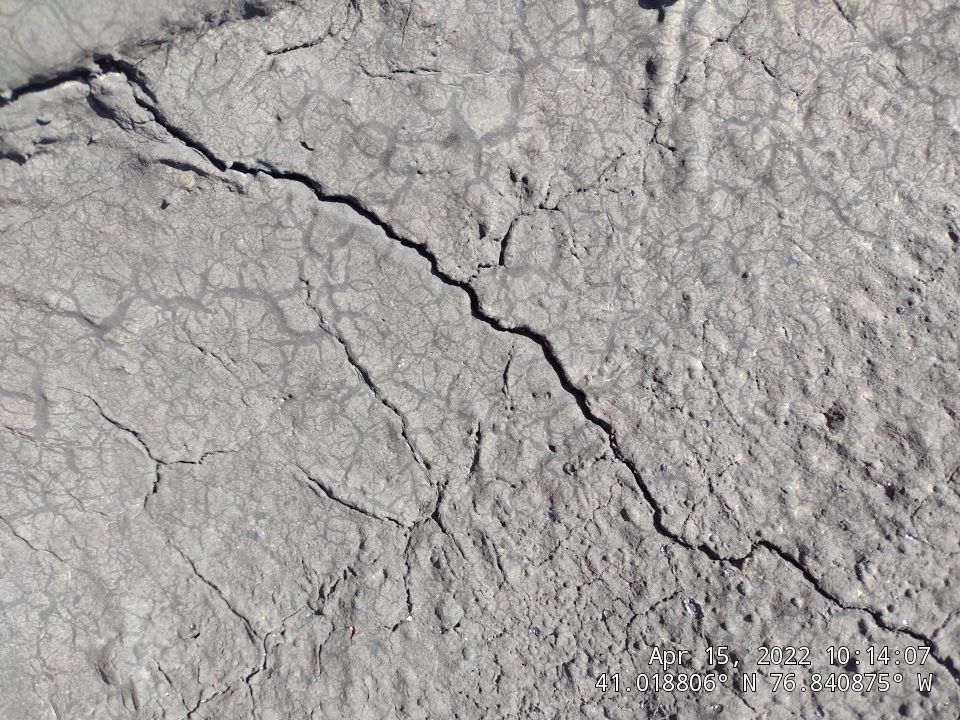
One of the most obvious signs that your flat roof needs recoating is the appearance of cracks and splits in the existing coating surface. These seemingly minor imperfections are actually your roof's way of crying out for help.

worn epdm membrane needs coating pa 05 - Schultz Roofing, Inc
Surface Cracks vs. Deep Splits
Small surface cracks, often called "alligatoring" due to their resemblance to reptile skin, indicate that your roof coating has reached the end of its protective life. When our team at Schultz Roofing, Inc inspects roofs in Central Pennsylvania, we often find these cracks developing after 5-10 years, depending on the coating type and local weather conditions.
Deep splits that penetrate through the coating layer are more serious, as they allow moisture to reach the underlying roof membrane. During Pennsylvania's freeze-thaw cycles, water can enter these splits and expand, causing further damage that makes simple recoating insufficient.
Why Cracks Form
The harsh climate conditions in Middleburg and surrounding areas contribute to coating deterioration. Temperature fluctuations cause expansion and contraction, while UV radiation breaks down the chemical bonds in roof coatings over time.
How Do You Know When Ponding Water Becomes a Problem?
Standing water on your flat roof for more than 48 hours after rainfall or snow melt is a clear indicator that your roof coating system may be failing. Ponding water creates several problems that our team regularly addresses across Central Pennsylvania.

uv degredation foam roof needs coating pa - Schultz Roofing, Inc
The Coating Breakdown Process
When water pools on your roof, it accelerates the deterioration of protective coatings. The constant moisture exposure causes coatings to soften, lose adhesion, and eventually fail. This creates a vicious cycle where coating failure leads to more ponding, which leads to faster deterioration.
Structural Implications
Beyond coating issues, ponding water adds significant weight to your roof structure. A single inch of standing water adds approximately 5.2 pounds per square foot to your roof's load. For buildings in Middleburg's snowy climate, this additional weight combined with snow loads can stress your roof system beyond its design limits.
When Should Fading and Chalking Concern You?
Color changes in your roof coating aren't just cosmetic issues—they signal that your roof's protective properties are diminishing. Our experienced team at Schultz Roofing, Inc has observed that significant fading and chalking typically occur 2-3 years before complete coating failure.
Understanding Chalking
Chalking appears as a powdery residue that comes off on your hand when you touch the roof surface. This phenomenon occurs when UV radiation breaks down the coating's binder system, leaving pigment particles exposed. While some chalking is normal, excessive chalking indicates that recoating should be scheduled soon.
Reflectivity Loss
Faded coatings lose their ability to reflect sunlight and heat, reducing your building's energy efficiency. This is particularly important for Central Pennsylvania property owners who rely on air conditioning during hot summer months.
What Do Bubbles and Blisters Mean for Your Roof's Health?
Bubbling or blistering in your roof coating creates vulnerable spots where water can penetrate and cause extensive damage to the underlying roof system.
Moisture Entrapment
Blisters form when moisture becomes trapped between coating layers or between the coating and roof membrane. Pennsylvania's humid summers and temperature variations create ideal conditions for this type of damage.
Expansion and Contraction Issues
Poor adhesion caused by contamination, inadequate surface preparation, or application over a failing previous coating can lead to bubbling. These bubbles eventually rupture, creating entry points for water infiltration.
How Increased Energy Costs Signal Coating Problems
A sudden increase in your building's heating and cooling costs often indicates that your roof coating is no longer providing adequate thermal protection. Energy-efficient roof coatings can reduce cooling costs by 10-15%, so their failure has a noticeable impact on utility bills.
Heat Island Effect
Failed coatings absorb more heat, creating higher surface temperatures that transfer into your building. This forces HVAC systems to work harder, increasing energy consumption and costs.
Take Action Before Minor Issues Become Major Problems
Recognizing these five warning signs—cracking and splitting, ponding water, fading and chalking, bubbles and blisters, and increased energy costs—can help you address flat roof coating issues before they require expensive emergency repairs. Early intervention with professional recoating services protects your investment and maintains your building's integrity.
At Schultz Roofing, Inc, we understand the unique challenges that Central Pennsylvania weather presents to flat roof systems. Our experienced team provides comprehensive roof inspections and expert recoating services throughout Middleburg and the surrounding region. Don't wait until minor coating issues become major roofing problems—contact Schultz Roofing, Inc today for a free consultation and estimate to keep your flat roof in peak condition.
Book your free inspection here : schultzcommercialroofing.com/contact