Spray Foam Roof Coating Guide: Repair & Restoration for Central PA Commercial Buildings
Spray Foam Roof Coating Guide: Repair & Restoration for Central PA Commercial Buildings
Expert SPF roofing solutions, cost analysis, and restoration process for commercial properties in Pennsylvania's climate
When your commercial building's roof shows signs of wear, you face a critical decision: expensive complete replacement or strategic restoration through spray foam coating. For commercial property owners in Central Pennsylvania managing buildings over 25,000 square feet, spray polyurethane foam (SPF) roofing represents one of the most cost-effective and performance-driven solutions available today.
With 27 years of commercial roofing experience serving the 50-mile radius around Middleburg, PA, we've seen how foam roof coating technology has evolved into a proven system that can extend roof life indefinitely when properly maintained. This guide provides the comprehensive information you need to make an informed decision about foam roofing for your commercial property.
What is Spray Foam Roof Coating?
Spray polyurethane foam (SPF) roofing is a two-component liquid system that's sprayed onto existing roof surfaces where it expands into a solid, seamless foam layer. Unlike traditional roofing materials that arrive in pre-manufactured sheets or shingles, foam is applied as a liquid that chemically reacts and expands to create a monolithic, waterproof barrier.
The system consists of two primary layers:
Foam Layer (SPF Base):Typically 1-3 inches thick, this polyurethane foam provides insulation, waterproofing, and structural reinforcement to the existing roof substrate
Protective Coating:A top layer of elastomeric coating (usually silicone or acrylic) protects the foam from UV degradation, physical damage, and environmental wear
What makes foam roofing unique is its ability to conform to any roof shape, seal all penetrations, and create a completely seamless membrane. There are no seams, joints, or fasteners that can become potential leak points—a critical advantage for commercial flat roofs.
Why Commercial Properties Choose Foam Roofing
Foam roofing has become increasingly popular for commercial buildings because it can be applied over nearly any existing roof type, eliminates tear-off costs and landfill waste, provides superior insulation values (R-6 to R-7 per inch), and can be renewed indefinitely through simple recoating every 10-15 years.
Common Foam Roof Problems in Central Pennsylvania
While spray foam roofing is highly durable, certain issues can develop over time, particularly in Pennsylvania's varied climate with freeze-thaw cycles, significant temperature swings, and UV exposure. Understanding these problems helps you recognize when professional assessment is needed.
1. UV Degradation and Coating Breakdown
The protective elastomeric coating on foam roofs shields the underlying polyurethane from damaging UV rays. When this coating degrades or wears thin, the foam itself becomes exposed to sunlight, leading to surface deterioration, discoloration, and potential moisture infiltration.
Signs to watch for: Chalking or powdery surface texture, visible foam showing through coating, color fading or yellowing, and loss of coating thickness in high-traffic areas.
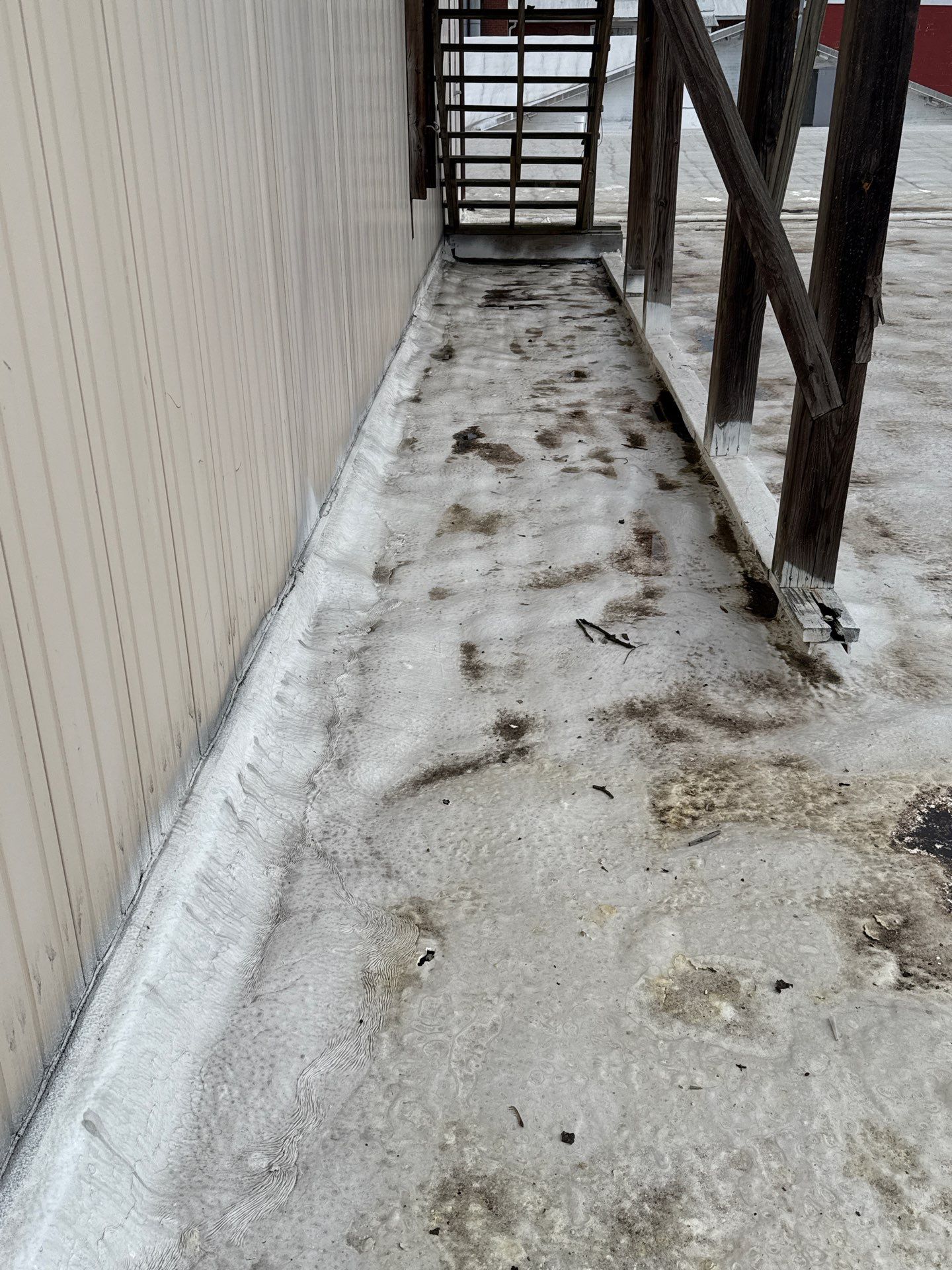
UV degradation on foam roof showing coating breakdown and exposed foam substrate
2. Shrinkage and Cracking
Older foam roof systems, particularly those installed 20+ years ago with earlier generation materials, can experience dimensional shrinkage. This creates stress cracks, particularly at roof edges, penetrations, and where the foam meets vertical surfaces like parapet walls.
Why it matters: Cracks compromise the waterproof integrity and allow moisture to reach the foam substrate or underlying roof deck, potentially causing more extensive damage.

Shrinkage cracks in older foam roof system requiring professional repair
3. Ponding Water Damage
Commercial flat roofs often develop low spots where water pools after rainfall. While properly applied foam can handle some ponding, prolonged water exposure (48+ hours) accelerates coating degradation and can lead to foam saturation in damaged areas.
Central PA consideration: Freeze-thaw cycles make ponding particularly problematic as trapped water expands when frozen, creating additional stress on the coating system.
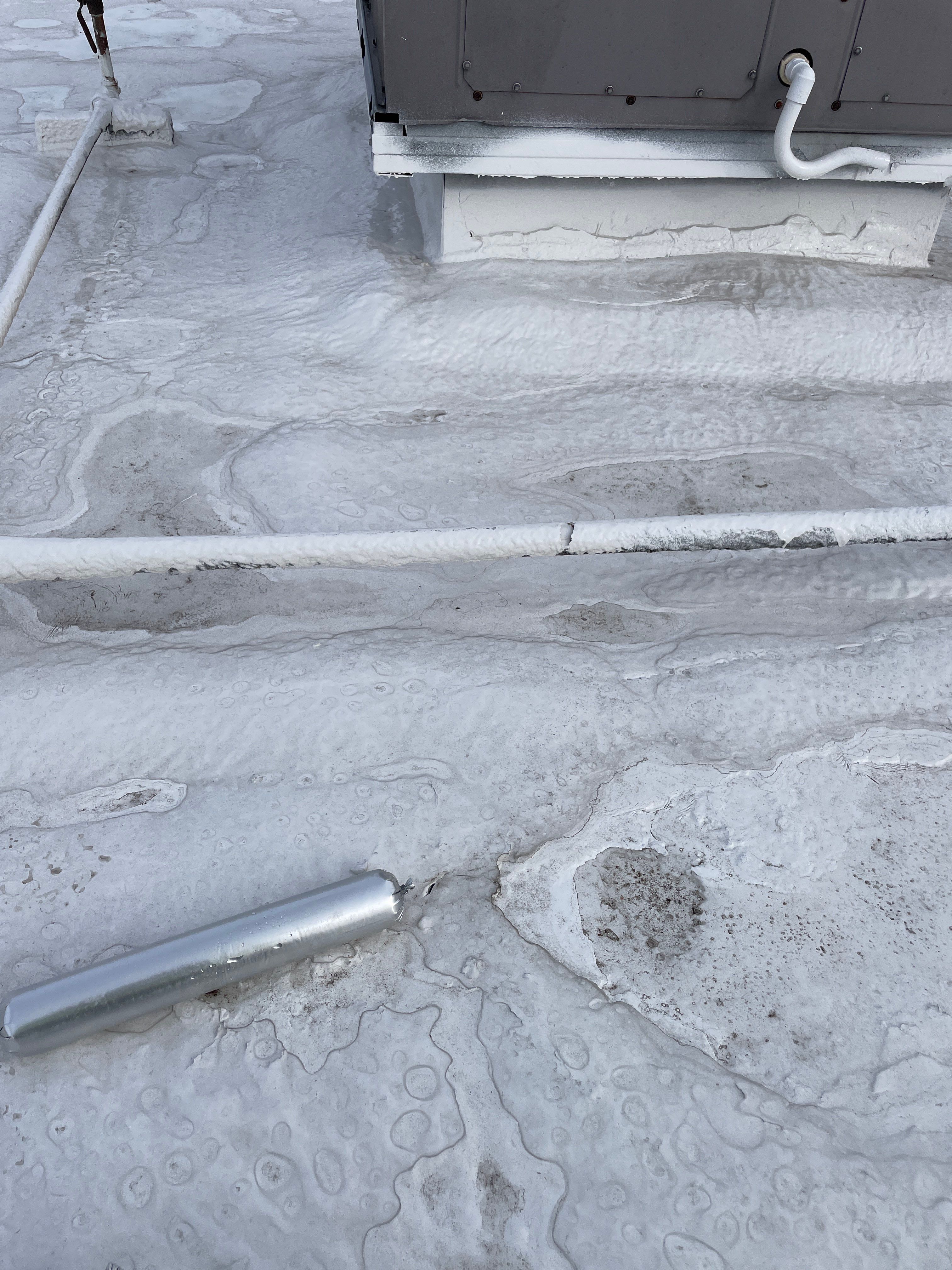
Ponding water causing accelerated coating degradation on flat commercial roof
4. Physical Damage and Punctures
Foot traffic, falling branches, hail impact, and equipment installations can puncture or compress foam roofing. While foam is more impact-resistant than many people assume, concentrated forces can cause damage that requires repair.
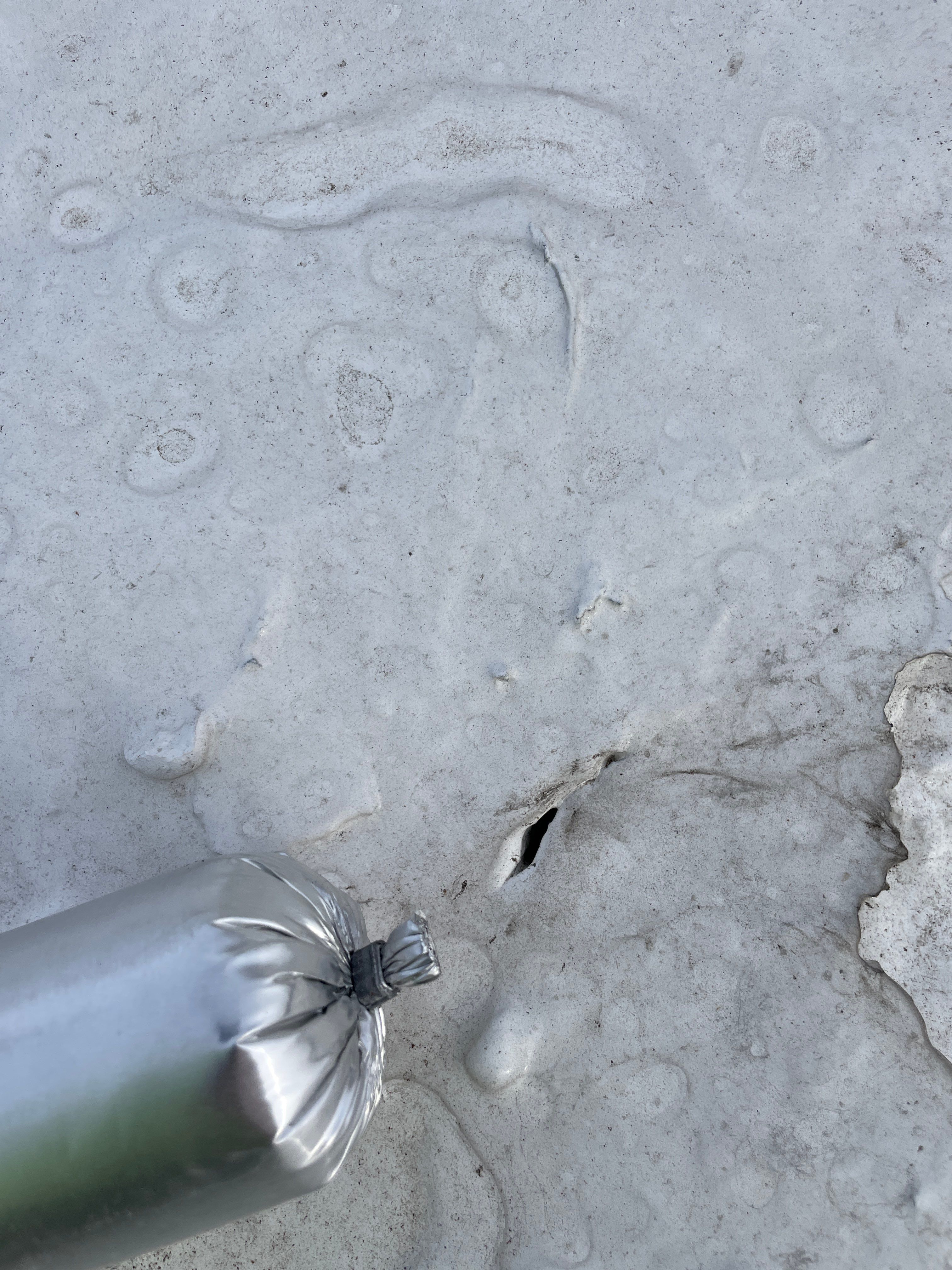
Foam roof showing physical damage from foot traffic and impact requiring repair
5. Improper Installation Issues
Not all foam roofs are created equal. Problems stemming from poor installation include inadequate foam thickness, improper mixing ratios, application during unsuitable weather conditions, insufficient surface preparation, and inadequate coating thickness over the foam.
Prevention is More Cost-Effective Than Repair
Most foam roof problems are preventable through regular inspections and timely maintenance. Annual inspections cost a fraction of major repairs, and catching issues early—when they're still minor—can save thousands of dollars and extend your roof life by decades.
The Foam Roof Restoration Process: 6 Essential Steps
Professional foam roof restoration follows a systematic approach that ensures lasting performance. Here's what the process entails when you work with experienced commercial roofing contractors.
Step 1: Comprehensive Roof Assessment
A thorough inspection identifies all existing damage, moisture infiltration, substrate condition, and areas requiring repair. This includes infrared moisture scanning to detect wet insulation, core samples if needed to assess foam and substrate integrity, evaluation of drainage patterns and ponding areas, and documentation of all roof penetrations and equipment.
What you'll receive: A detailed assessment report with photographs, recommendations, and a scope of work outlining all necessary repairs and coating specifications.

Schultz Roofing conducting comprehensive commercial roof assessment with moisture testing
Step 2: Repairs and Surface Preparation
Before any new coating is applied, all existing damage must be addressed. This includes removing and replacing any wet or damaged foam sections, repairing cracks and separations with compatible materials, addressing ponding issues through targeted foam buildup or drainage improvements, and removing loose coating and preparing the surface through power washing and/or light sanding.
Critical factor: The existing foam and substrate must be completely dry before restoration work begins. Moisture testing ensures no trapped water remains that could compromise the new coating system.
Step 3: Detail Work and Penetrations
All roof penetrations, edges, and transitions require special attention. Technicians will seal and coat all roof penetrations (HVAC units, vents, pipes), reinforce parapet walls and edge details, address expansion joints with appropriate materials, and install reinforcing mesh in stress-prone areas.
Step 4: Foam Application (If Needed)
In some cases, additional foam thickness is required to improve insulation, correct drainage issues, or build up low areas. Professional spray foam application requires specialized equipment, proper mixing ratios, appropriate thickness (typically 0.5-2 inches for restoration), optimal weather conditions (45-100°F, low humidity, no precipitation), and proper surface preparation for adhesion.
Step 5: Protective Coating Application
The final protective coating is typically applied in multiple passes to achieve the specified thickness. For Central Pennsylvania's climate, we typically recommend silicone coatings due to their superior weatherability, excellent ponding water resistance, outstanding UV stability, and flexibility through temperature extremes.
Application specs: Professional installations typically apply 1.5-2 gallons per 100 square feet for initial coating, with additional passes in high-wear or ponding areas.
Step 6: Quality Control and Final Inspection
After coating application, thorough quality control ensures complete coverage, proper thickness throughout, sealed penetrations and details, and smooth transitions at all edges and terminations.
Your warranty documentation: Professional contractors provide warranty information for both materials and workmanship, maintenance guidelines and recoating schedule, and documentation of all work performed with photos.
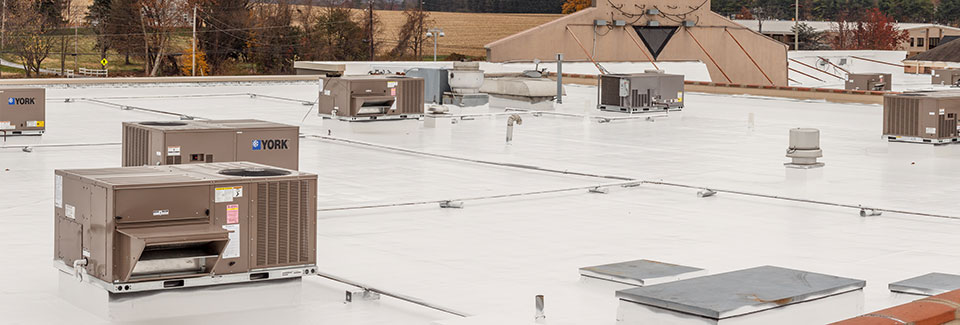
Completed foam roof coating with silicone protective layer
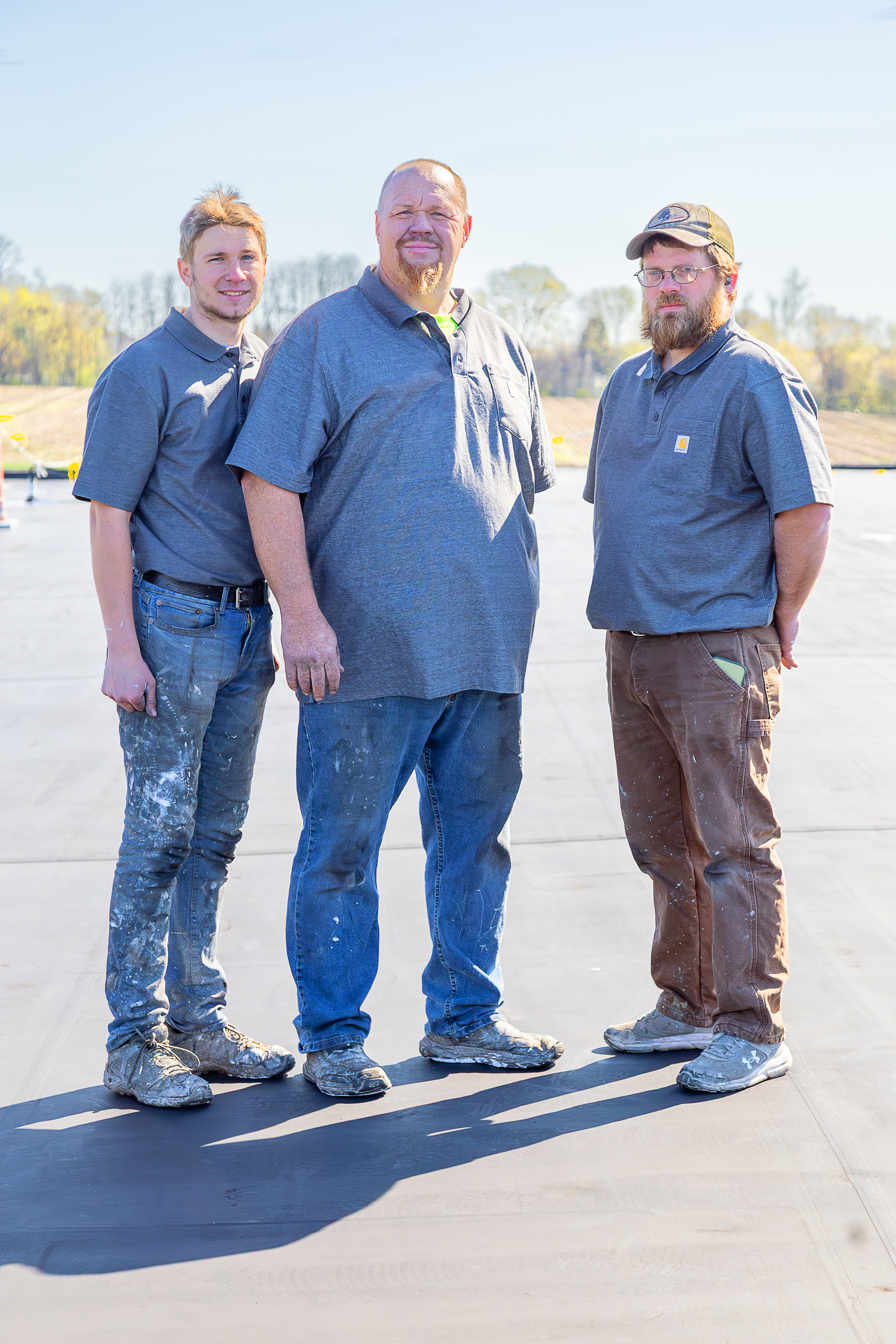
Schultz Roofing team - 27+ years of commercial roofing expertise
Cost Analysis: Foam Roof Coating vs. Replacement
Understanding the true cost comparison between foam roof restoration and complete replacement is essential for making informed budgeting decisions. Here's a realistic breakdown for a typical 25,000 square foot commercial building in Central Pennsylvania.
Factors That Affect Foam Roofing Costs
Several variables influence the final cost of a foam roof coating project:
Existing Roof Condition: Extensive repairs or moisture damage increases costs. Roofs in good condition with minor wear are most cost-effective to restore
Foam Thickness Required:1 inch thickness costs less than 2-3 inch applications. Thicker applications provide more insulation but increase material and labor costs
Coating System Selected: Silicone coatings typically cost more than acrylic but offer superior performance in ponding water and harsh weather
Roof Complexity: Buildings with numerous penetrations, equipment, irregular shapes, or difficult access require more labor time
Project Timing: Off-season scheduling (late fall, early spring) may offer cost advantages over peak summer months
Warranty Level: Extended warranties with stricter maintenance requirements and higher-grade materials increase upfront costs but provide long-term protection
ROI Perspective: The Long-Term Value
While foam coating costs 40-60% less than replacement initially, the real value comes from renewability. A properly maintained foam roof that's recoated every 10-15 years can last indefinitely. Compare this to traditional roofing systems that require complete replacement every 15-30 years, and the lifetime cost difference becomes dramatic. Over a 40-year period, a foam roof might be recoated 3 times at $5-7 per square foot, while a traditional roof would require 2+ complete replacements at $12-18+ per square foot.
Why Foam Roofs Excel in Pennsylvania's Climate
Central Pennsylvania's weather presents unique challenges for commercial roofing: cold winters with freeze-thaw cycles, hot, humid summers, significant temperature swings between seasons, and heavy snow loads in some years. Spray foam roofing addresses these conditions better than many traditional systems.
Superior Insulation Performance
Foam provides R-6 to R-7 per inch of thickness—significantly higher than most traditional roofing insulation. For commercial buildings in Harrisburg, State College, and throughout Central PA, this translates to reduced HVAC costs year-round, more consistent interior temperatures, less strain on heating and cooling systems, and potential utility rebates for energy efficiency improvements.
Seamless Waterproofing
Unlike roofing systems with seams, fasteners, or joints, foam creates a monolithic membrane that conforms to every roof detail. There are no seams to separate, no fasteners to back out, and no vulnerable points where ice dams can cause problems.
Flexibility Through Temperature Extremes
Quality foam roofing systems remain flexible across Pennsylvania's temperature range. While some roofing materials become brittle in cold weather or soften in heat, properly formulated SPF maintains its integrity from winter's coldest days to summer's hottest afternoons.
Snow Load Management
The rigid foam structure helps distribute snow loads more evenly across the roof deck, and the superior insulation prevents heat loss that can contribute to ice dam formation. When combined with proper drainage and maintenance, foam roofs handle Pennsylvania's winter conditions exceptionally well.
Foam Roofing vs. Other Commercial Coating Systems
Commercial property owners considering roof restoration have several coating options. Here's how spray foam compares to the alternatives.
✓ Foam Roof Coating Advantages
Highest R-value insulation of any coating system
Can build up low spots and improve drainage
Excellent for irregular roof shapes and details
Adds structural rigidity to aging roof decks
Seamless application eliminates leak points
Can be applied over most existing roof types
Indefinite lifespan with proper maintenance
✗ Foam Roof Coating Considerations
Higher initial cost than some coating options
Requires experienced, specialized applicators
Weather-sensitive during installation
Needs protective coating to prevent UV damage
More visible on lighter-colored buildings
Requires timely recoating to maintain warranty
Comparison with EPDM and Metal Roof Coatings
EPDM Roof Coating: Elastomeric coatings applied over existing rubber roofs cost less initially ($3-6 per square foot) but provide no insulation benefit. They're excellent for extending EPDM membrane life but don't address structural or drainage issues. Learn more about EPDM coating options.
Metal Roof Coating: Acrylic or silicone coatings restore metal roofs at moderate cost ($4-8 per square foot) and can significantly reduce energy costs through reflective properties. However, they don't add insulation or structural reinforcement like foam does. Explore metal roof coating solutions.
When Foam is the Best Choice: Spray foam excels when you need maximum insulation improvement, have drainage problems requiring roof contour changes, want to add structural support to an aging deck, or need to accommodate irregular roof shapes and details.
Selecting a Qualified Foam Roof Contractor in Central PA
Spray polyurethane foam roofing requires specialized training, equipment, and experience that general roofing contractors may not possess. Choosing the right contractor is critical to achieving optimal performance and warranty protection.
Essential Qualifications to Verify
Manufacturer Certification: Reputable contractors maintain current certifications from major foam roofing manufacturers like Conklin, NCFI, and Carlisle. These certifications require training, adherence to application standards, and ongoing education
Commercial-Specific Experience: Residential roofing experience doesn't translate to commercial foam applications. Look for contractors with documented commercial project history in buildings similar to yours
Local Climate Knowledge: Central Pennsylvania's weather patterns require specific material selections and application techniques. Contractors familiar with regional conditions make better decisions
Insurance and Licensing: Verify current general liability insurance, workers' compensation coverage, proper Pennsylvania contractor licensing, and manufacturer warranty authorization
Equipment Investment: Professional foam roofing requires specialized spray equipment with temperature controls, proportioning systems for accurate mixing, and quality control capabilities
Questions to Ask Potential Contractors
Before selecting a contractor, get clear answers to these critical questions:
How many commercial foam roofing projects have you completed in the past three years?
Can you provide references for similar-sized commercial buildings in Central PA?
What manufacturer certifications do your applicators hold?
What warranty options do you offer, and what maintenance is required to maintain coverage?
How do you handle moisture testing and ensure the substrate is dry before application?
What is your process for quality control during and after installation?
Do you offer ongoing maintenance programs or recoating services?
Red Flags to Watch For
Be cautious of contractors who provide quotes significantly below market rates without explanation, cannot provide manufacturer certifications or references, pressure you for immediate decisions without proper assessment, recommend foam for situations where it's not appropriate, or don't offer written warranties backed by manufacturers.
Schultz Roofing's Commercial Foam Expertise
With 27+ years serving commercial properties throughout Central Pennsylvania's 50-mile radius around Middleburg, we've developed specialized expertise in foam roofing for commercial-only applications. We focus exclusively on commercial properties over 25,000 square feet, understanding the unique demands of larger facilities. Our team maintains current manufacturer certifications, uses state-of-the-art application equipment, and provides comprehensive warranties backed by our long-standing reputation in the region.
Maintenance Requirements for Long-Term Performance
One of foam roofing's greatest advantages is its indefinite lifespan—but this requires consistent maintenance and timely recoating. Understanding what's needed helps you protect your investment.
Annual Inspection Checklist
Professional annual inspections should evaluate coating condition and thickness, surface for cracks, blisters, or deterioration, all penetrations and flashing details, drainage patterns and ponding areas, impact damage or surface wear, and any new equipment installations or modifications.
Cost perspective: Annual inspections typically cost $500-1,500 depending on roof size—a small investment that identifies minor issues before they become expensive problems.
Routine Maintenance Tasks
Between professional inspections, facility maintenance teams should clear debris from drains and roof surface, remove standing water within 48 hours when possible, inspect after major storms for damage, keep HVAC equipment properly maintained to prevent leaks, and limit unnecessary roof traffic to designated walkways.
Recoating Timeline and Process
Most foam roof coating systems require recoating every 10-15 years, depending on exposure, foot traffic, and climate conditions. Signs it's time for recoating include coating thickness below manufacturer minimums, surface chalking or weathering, visible foam showing through coating, and increased ponding or drainage issues.
Recoating costs: Typically $2-4 per square foot—far less than the original installation and a fraction of replacement costs. This maintenance recoating renews warranty coverage and extends roof life indefinitely.
Frequently Asked Questions About Foam Roof Coating
What is spray foam roof coating and how does it work?
Spray foam roof coating, also called SPF (Spray Polyurethane Foam), is a two-component system that's applied as a liquid and expands into a solid foam layer. This creates a seamless, monolithic membrane that adheres directly to your existing roof substrate. The foam provides insulation and a waterproof barrier, then receives a protective topcoat (typically silicone or acrylic) for UV protection and durability. It's particularly effective for commercial flat roofs and can be renewed indefinitely with recoating.
How much does foam roof coating cost per square foot in Pennsylvania?
Foam roof coating in Central Pennsylvania typically costs between $5.50 and $9.00 per square foot, depending on foam thickness, roof condition, and project complexity. A 25,000 square foot commercial roof would range from $137,500 to $225,000. This is 40-60% less expensive than complete roof replacement, which often exceeds $15 per square foot. Factors affecting cost include: existing roof condition, required repairs, foam thickness (typically 1-3 inches), accessibility, and coating system selected.
What are the most common problems with foam roofs?
The most common foam roof problems include: UV degradation of unprotected foam, shrinkage cracks (especially in older systems), ponding water damage, surface erosion from foot traffic, punctures or physical damage, and coating failures due to delayed maintenance. Most of these issues are preventable with proper installation and regular maintenance. Foam roofs should be inspected and recoated every 10-15 years to maintain their protective qualities and warranty coverage.
How long does a spray foam roof last?
A properly installed and maintained spray foam roof can last indefinitely because it's renewable through recoating. The foam substrate itself can last 50+ years. The protective coating layer typically needs renewal every 10-15 years, but this is a simple maintenance procedure that costs a fraction of replacement. Many commercial foam roofs in Central PA have been performing for 30+ years with appropriate maintenance. The key is regular inspections and timely recoating to protect the foam from UV exposure.
Can foam roof coating be applied over existing roofing materials?
Yes, spray foam can be applied over most existing commercial roofing systems including metal, EPDM rubber, modified bitumen, BUR (built-up roofing), and even existing foam roofs. The substrate must be structurally sound, dry, and properly prepared. Wet or damaged insulation must be removed first. This is one of foam's biggest advantages—it eliminates tear-off costs and landfill waste while providing a complete waterproofing and insulation upgrade. However, proper assessment by an experienced contractor is essential to ensure substrate compatibility.
Why should I hire a specialized foam roof contractor in Central PA?
Spray foam roofing requires specialized equipment, training, and experience that general roofers don't have. The application must account for Pennsylvania's climate variations, proper foam density and thickness, precise mixing ratios, weather conditions during installation, and proper coating selection. Improper installation can lead to shrinkage, poor adhesion, and premature failure. Schultz Roofing has 27+ years of commercial roofing experience in Central PA's unique climate, understands building codes and manufacturer specifications, and offers renewable warranties backed by proper installation practices.
Making the Right Decision for Your Commercial Property
Spray foam roof coating represents one of the most sophisticated and cost-effective solutions available for commercial roofing in Central Pennsylvania. When properly installed and maintained, it provides unmatched insulation performance, indefinite service life through recoating, and significant cost savings compared to replacement.
The ideal candidates for foam roofing systems include commercial buildings over 25,000 square feet with flat or low-slope roofs, properties where energy costs are a significant concern, roofs with existing coating systems that need renewal, buildings where complete tear-off isn't feasible or desirable, and properties that need improved drainage or insulation.
However, foam roofing isn't always the right choice. Buildings with severely damaged structural decks, roofs with extensive moisture infiltration that requires complete rebuild, properties where immediate lowest-cost option is the only consideration, and situations where proper maintenance schedules cannot be maintained might be better served by other solutions or complete replacement.
The Importance of Professional Assessment
Every commercial roof is unique. Online cost estimates and general guidance can inform your initial research, but there's no substitute for a professional on-site assessment. Factors like existing roof condition, moisture infiltration, substrate compatibility, and building-specific requirements significantly impact both suitability and cost. Schultz Roofing provides comprehensive assessments at no obligation—contact us to evaluate whether foam roofing is right for your property.
Get Your Free Commercial Roof Assessment
Serving Central Pennsylvania's commercial properties for over 27 years. We specialize in foam roof coating systems for buildings over 25,000 square feet within our 50-mile service radius around Middleburg, PA.
What's included in your assessment:
Complete roof inspection with moisture testing
Detailed condition report with photos
Foam roofing suitability evaluation
Accurate cost estimate with financing options
Alternative solutions if foam isn't optimal
Schedule Free Assessment
📞 (570) 274-2057
Available for emergency commercial roof repairs 24/7
Related Resources:
EPDM Roof Coating Services– Restoration for rubber roof systems
Metal Roof Coating Solutions– Protect and restore industrial metal roofs
Preventive Maintenance Programs– Extend roof life with regular care
24/7 Emergency Roof Repair– Fast response for urgent issues